What Is Team Building and Why Does It Matter?
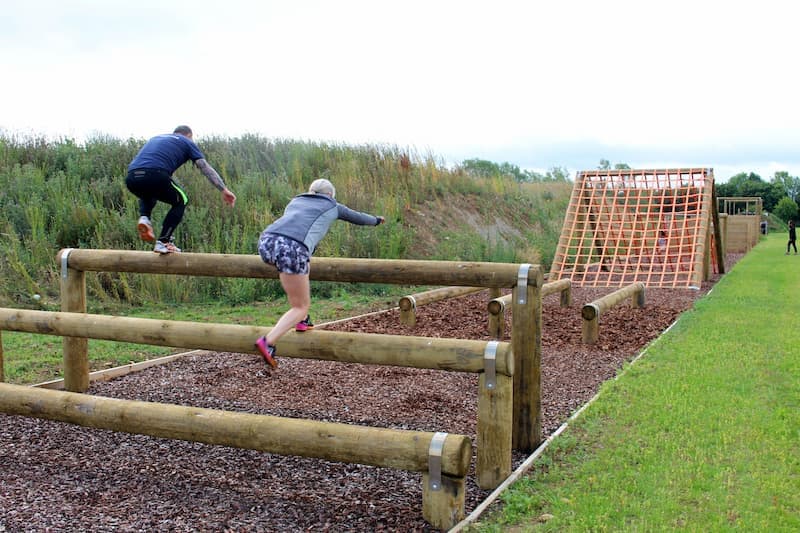
Team building refers to activities and experiences that help employees strengthen relationships, improve communication, and work more effectively together. These activities can include fitness sessions, workshops, group challenges, social events, and wellness programmes.
When designed with care, team building goes beyond “fun days out” and becomes a valuable tool for creating strong, resilient teams.
Effective team building supports:
It also gives employees the opportunity to connect outside of their usual work roles, helping them see each other as people, not just colleagues.
Boosts Creativity and Fresh Thinking
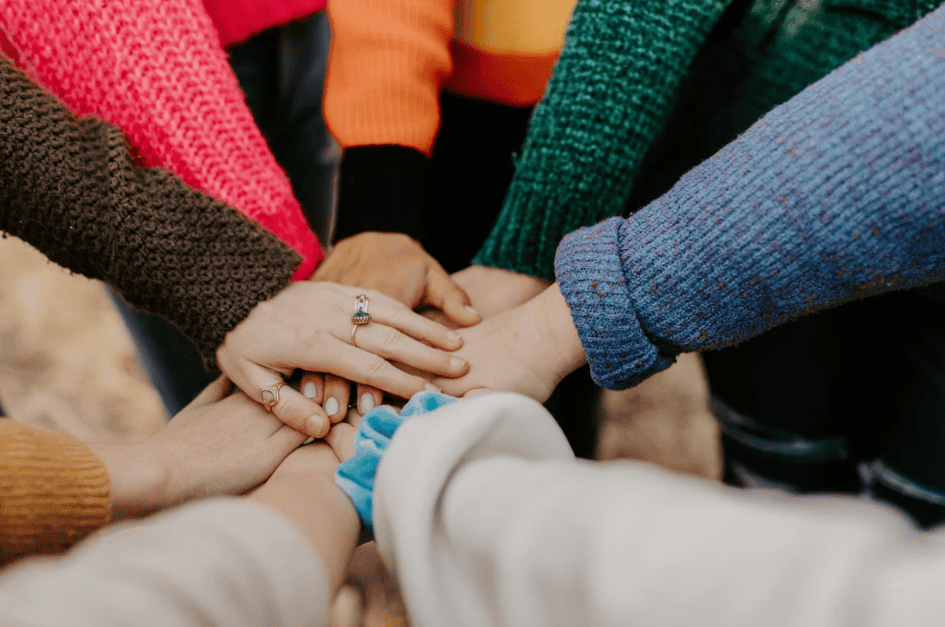
Team building activities often encourage people to step outside their usual routines. Whether it is a group fitness challenge or a problem-solving exercise, these experiences stimulate creative thinking.
When employees work together in new environments, they:
-
Share ideas more freely
-
Look at problems from different perspectives
-
Feel more confident suggesting solutions
-
Become more open to innovation
This boost in creativity often carries over into everyday work, helping teams approach projects with fresh energy and ideas.
Brings Teams Closer and Builds Approachability
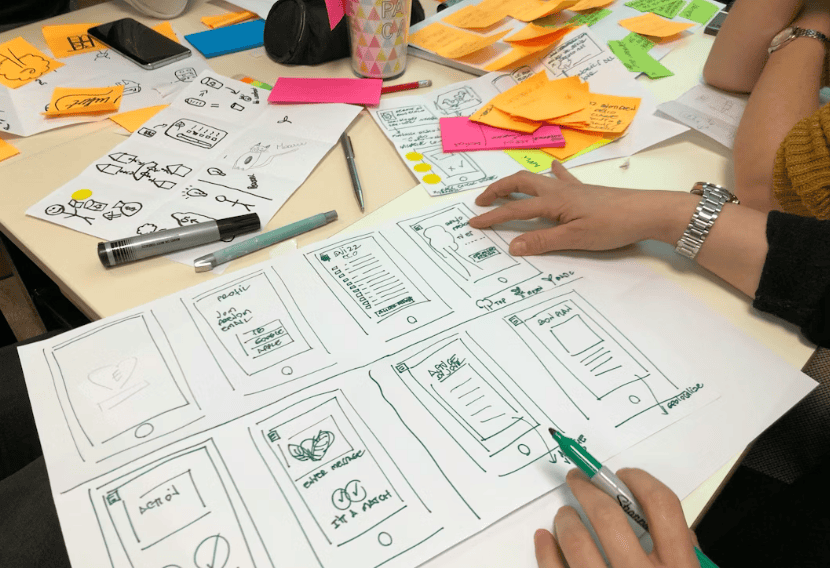
Strong teams are built on connection. Team building helps break down barriers between departments, roles, and seniority levels.
When people interact in relaxed, informal settings, they:
This closeness makes it easier for employees to ask questions, share concerns, and collaborate without hesitation.

Helps Identify Natural Leaders
Team building activities often reveal leadership qualities that may not always be visible in daily work routines.
During group challenges, some individuals naturally step up by:
These moments help managers recognise potential leaders and give employees confidence in their abilities. Over time, this supports leadership development and succession planning.

Boosts Energy and Motivation
Work can be demanding, especially during busy periods. Team building introduces positive energy into the workplace and helps employees recharge.
Participating in physical activity, group challenges, or wellness sessions can:
-
Reduce stress
-
Improve mood
-
Increase focus
-
Restore motivation
Employees who feel energised are more likely to stay engaged, productive, and committed to their roles.

Supports Team and Personal Enrichment
Good team building benefits both the group and the individual. Employees gain new skills, build confidence, and improve their wellbeing.
Personal enrichment may include:
-
Better communication skills
-
Increased self-awareness
-
Improved fitness and health
-
Greater emotional resilience
At the team level, enrichment leads to stronger cooperation, shared goals, and a more supportive working environment.

Reduces Conflict and Builds Trust
Workplace conflict often arises from misunderstandings, lack of communication, or weak relationships. Team building helps address these issues before they become serious problems.
By working together in positive settings, employees learn to:
-
Understand different working styles
-
Respect diverse opinions
-
Resolve disagreements calmly
-
Support each other under pressure
This builds trust, which is the foundation of every successful team. When trust is present, people feel safe expressing ideas and raising concerns.
Encourages Open Communication
Clear communication is essential for productivity and job satisfaction. Team building creates opportunities for honest, relaxed conversations.
Employees who communicate well are more likely to:
Over time, this improves collaboration and reduces frustration across the organisation.
Improves Collaboration and Productivity
When teams trust each other and communicate well, collaboration becomes easier. People know their roles, respect each other’s strengths, and work towards shared goals.
Effective team building leads to:
This naturally enhances productivity and helps businesses operate more smoothly.
Strengthens Company Culture
Company culture is shaped by how people treat each other every day. Team building plays a key role in reinforcing positive values such as respect, inclusivity, and support.
A strong culture encourages:
Employees who feel valued and connected are more likely to stay committed to their organisation.
Understanding the Bad Reputation of Team Building
Despite its benefits, team building sometimes has a negative reputation. Many employees associate it with awkward activities, forced participation, or uncomfortable social situations.
This usually happens when:
-
Activities feel artificial
-
Participation is pressured
-
Individual preferences are ignored
-
The purpose is unclear
When people feel forced to “have fun,” the experience can become stressful rather than enjoyable.
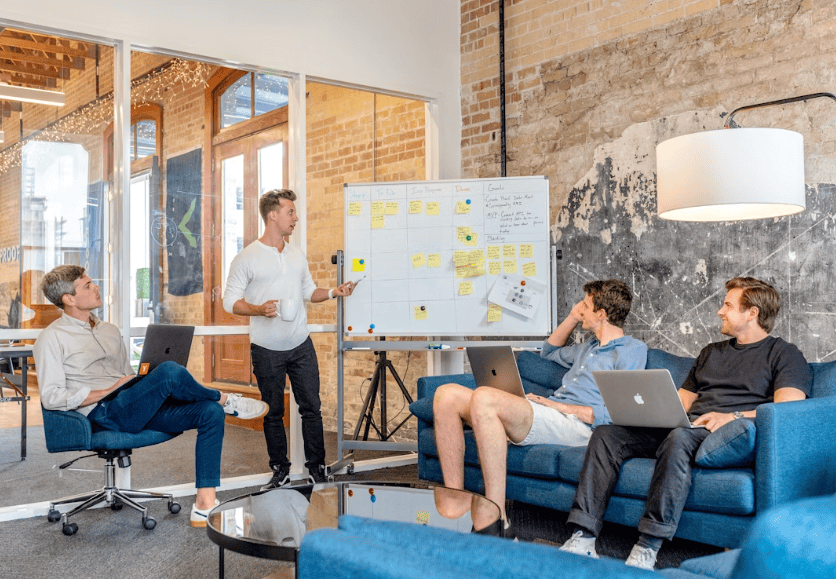
Why Team Building Works Best When It Is Not Forced
The most successful team building programmes respect personal boundaries and individual preferences. Not everyone enjoys the same activities, and that is completely normal.
To make team building effective:
-
Offer a variety of options
-
Allow employees to choose how they engage
-
Focus on wellbeing and connection
-
Avoid pressuring participation
When people are free to enjoy activities in their own way, they are more likely to engage genuinely and gain real value from the experience.

How Bicester Gym Supports Meaningful Team Building
At Bicester Gym, we focus on creating positive, inclusive, and flexible team building experiences that suit different needs and comfort levels.
Our corporate fitness and wellbeing programmes are designed to:
-
Improve physical and mental health
-
Encourage natural teamwork
-
Build confidence and resilience
-
Support long-term employee wellbeing
By combining fitness, motivation, and community, we help organisations create stronger, happier teams.

The True Value of Team Building
Employee team building is not about forced fun or ticking a box. When done thoughtfully, it becomes a powerful way to strengthen relationships, boost motivation, reduce conflict, and improve performance.
The key benefits include:
Most importantly, successful team building respects individuality and creates space for people to connect naturally.
If your organisation is looking to improve teamwork, wellbeing, and performance, thoughtful team building can be one of the most valuable investments you make.